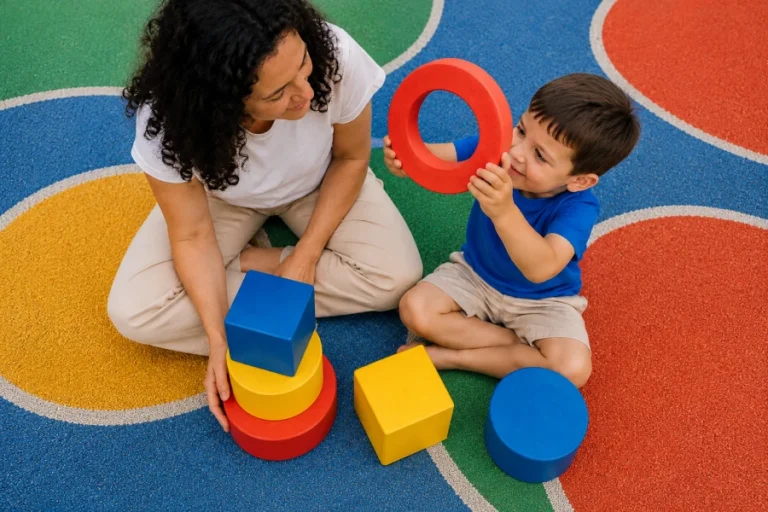
Kids’ activities can support creativity, movement, learning, rest, and connection when they are planned with enough variety. A balanced week does not need constant entertainment or a packed schedule. Children often benefit from a mix of outdoor play, quiet time, imaginative games, reading, simple chores, creative projects, and unstructured moments. The Kids’ Play and Activities Handbook helps families create an activity rhythm that feels flexible rather than overwhelming.
Create a Weekly Mix
A useful activity plan includes different kinds of play. Active games help children move their bodies, creative projects invite imagination, quiet activities support focus, and outdoor time offers fresh air and exploration. Looking at the week as a whole can help families avoid relying on one type of activity too often.
Plan Around Real Energy
Children’s energy changes throughout the day. A high-movement activity may work well after breakfast or school, while a puzzle, book, or drawing project may suit a slower afternoon. The Kids’ Play and Activities Handbook helps match activities to natural rhythms instead of expecting every idea to work at every moment.
Include Independent and Shared Play
Both independent play and family play have value. Independent activities help children practice imagination and focus, while shared activities support connection and communication. A balanced plan might include solo building time, a family board game, pretend play with siblings, and a short reading routine with an adult.
Keep Activities Flexible
Plans should leave room for children’s ideas. A craft may turn into a story game, blocks may become a city, or a nature walk may become a treasure hunt. Flexibility keeps activities from feeling overly controlled. It also allows children to lead, problem-solve, and build confidence in their own creativity.
Use Themes When Helpful
Simple themes can make planning easier. A week might include animals, weather, colors, transportation, seasons, or favorite story characters. Themes can connect books, crafts, outdoor play, and pretend games without requiring a formal lesson. The point is to give activities a loose thread, not to make the week feel like school.
Build a Playful Routine That Lasts
A strong activity rhythm should feel supportive for both children and adults. Mix movement, creativity, quiet time, outdoor play, and family connection in ways that fit real life. For outdoor ideas, read the Kids Outdoor Play article. For indoor activity preparation, continue with the Rainy-Day Kids Kit article. The Kids’ Play and Activities Handbook helps make family play more varied, intentional, and enjoyable.